
01
When is the thermostat part of the problem?
Wrong readings, a blank screen, a lost connection, poor zone behavior, or a system that ignores the set point can all come back to the control.
Controls
United installs Nest and multi-zone thermostats, but compatibility depends on the equipment type, control terminals, power, stages, and zone design. Wire color or a photo alone cannot confirm compatibility.
Updated August 24, 2026
01
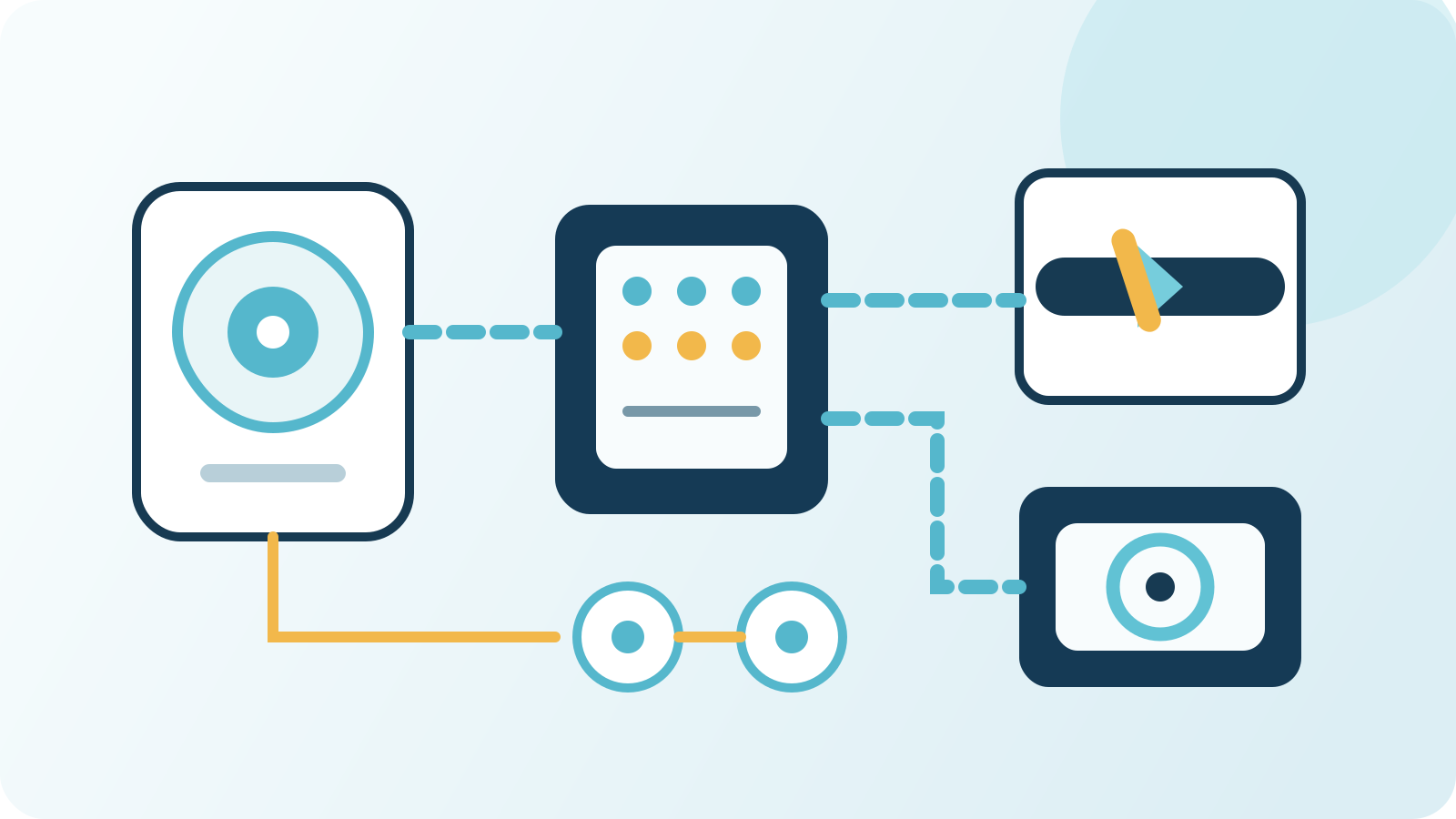
Wrong readings, a blank screen, a lost connection, poor zone behavior, or a system that ignores the set point can all come back to the control.
02
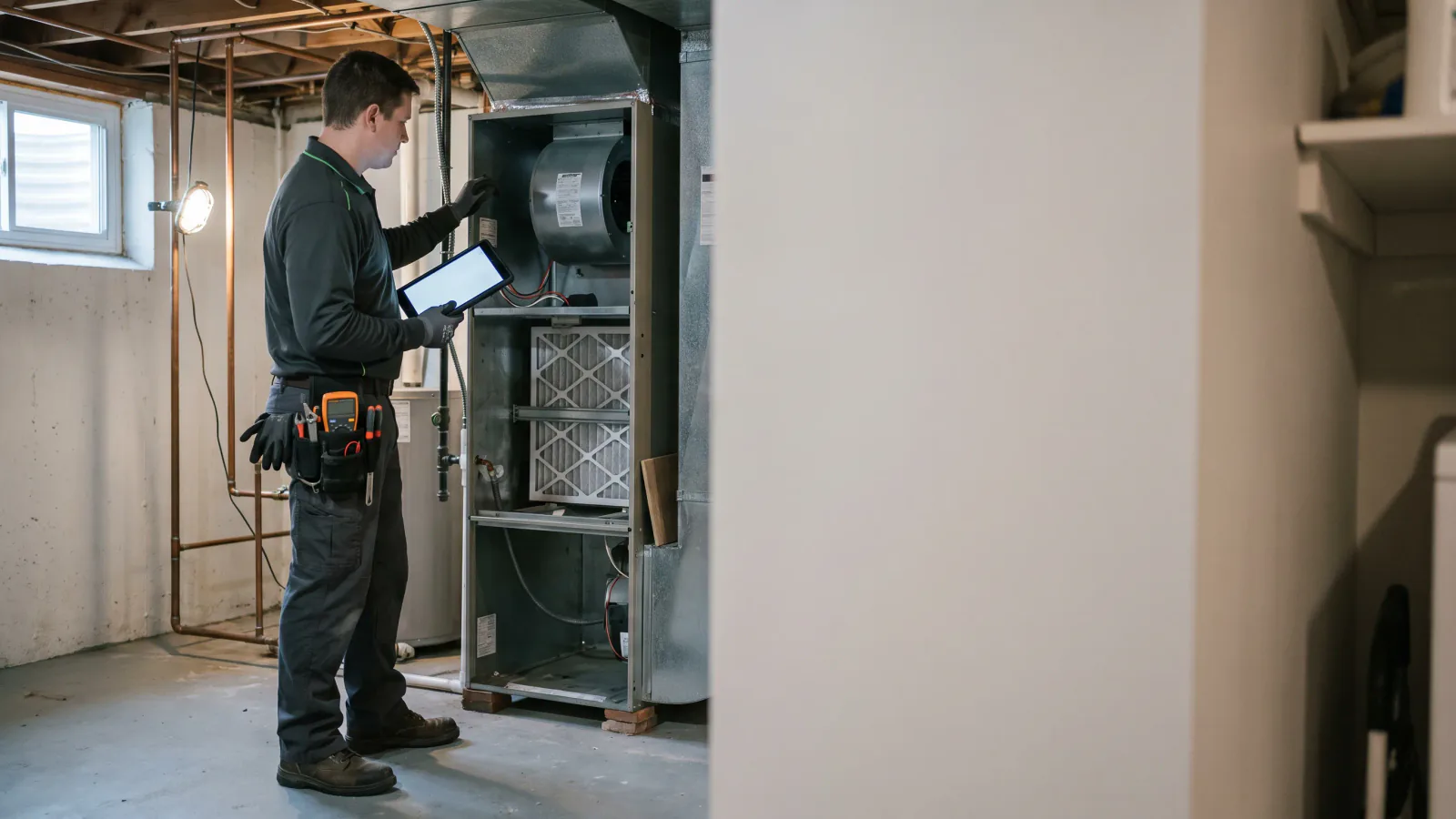
Yes. United installs Nest thermostats. The compatibility check still has to start with the heating and cooling equipment type, not the thermostat face. A conventional furnace and air conditioner, heat pump, dual-fuel setup, multi-stage system, and proprietary control can each use different terminals and control logic.
03
Labels such as R, C, W, Y, G, O/B, and AUX describe what a terminal does in that system. Wire color is not a reliable substitute for the terminal label, and a photo may not show splices, shared equipment, or the connections at the other end. Record the labels before any wire is moved.
04
A C-wire is a common wire that can provide continuous power to a thermostat. Whether it is needed depends on the thermostat and the system. Google's compatibility guidance checks both the connected terminals and whether the current control uses stranded wires or proprietary labels before reaching a result.
05
Heating and cooling stages let equipment run at more than one output level. The thermostat has to support the connected stages and any backup or emergency heat. A communicating or proprietary control may use manufacturer-specific terminals that do not map to a standard smart thermostat without additional equipment.
06
A zoned system can connect the thermostat to a zone panel, which then coordinates dampers and equipment calls. Compatibility depends on the zone panel and wiring relationship, not only on the thermostat in one room. Report which zone is affected and whether the behavior changes when another zone calls.
07
Sensor placement changes what the control sees. Google's Nest sensor guidance says to place a sensor at breathing height, away from heat sources, direct sunlight, windows, vents, and other spots that do not represent the room. A sensor can change which temperature guides the system; it cannot fix a blocked duct or weak equipment.
Common questions
A clear photo of terminal labels helps, but it may not show splices, equipment type, stages, proprietary controls, or the zone panel. Those details still need to be checked before compatibility is confirmed.
The power requirement depends on the Nest model and the connected HVAC system. Check the exact terminals, equipment, and Google's current compatibility guidance rather than assuming from wire color.
A zoned system normally coordinates thermostats or sensors through a zone panel and dampers. The exact relationship depends on the panel, equipment, and wiring.
Primary sources
Next step
Visits, diagnostics, and repair or installation estimates are free for homes and commercial properties.
Request a Free Estimate4.9 on Google from 28 reviews