Serving Washington, DC and Northern Virginia

HVAC quote gaps

What a Low HVAC Quote Might Leave Out

A lower total is not automatically a worse deal. It becomes a problem when the difference comes from work that was left out and never named. Here is where the gap usually hides.

Updated August 23, 2026

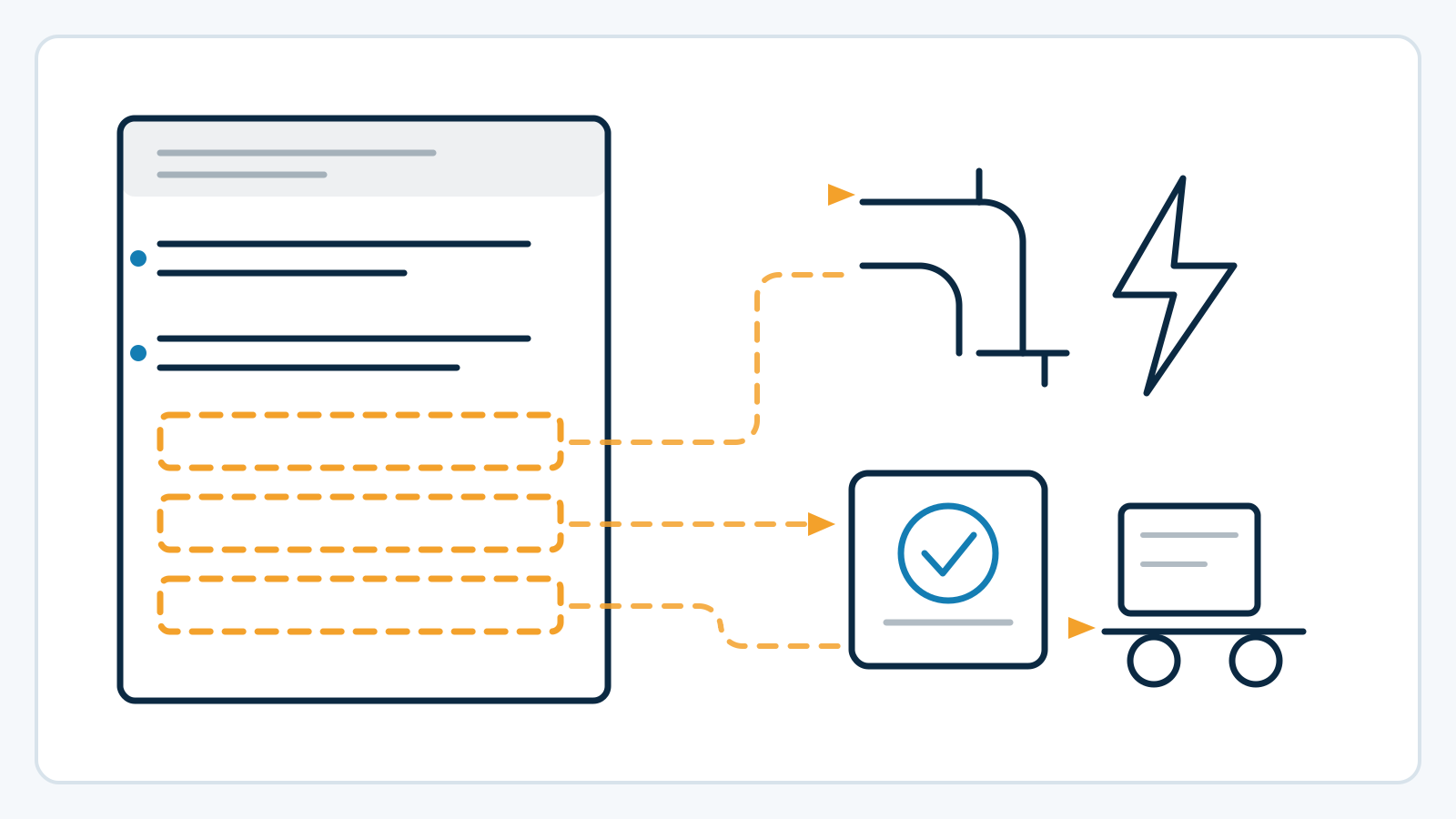
Illustration of an HVAC proposal with several scope items left as empty slots
A shorter proposal is not always a smaller job.

01

A price gap is a question, not a verdict

Two contractors can quote the same property honestly and land far apart. Different equipment, a simpler scope, or work your property genuinely does not need will all move a total. The gap only matters once you know which of those it is.

02

Sizing needs a stated basis

ENERGY STAR tells buyers to ask how the proposed capacity was chosen. A quote that names a tonnage without naming the basis for it is quoting a box, not a system. Ask what the sizing was based on and whether the property was evaluated.

03

The work around the equipment is where scope disappears

The work between the old system and the new one costs real time. A short proposal isn't always a cheap job. Sometimes it is the same job with the middle left blank.

  • Old equipment removal and disposal
  • Duct condition and any airflow work
  • Electrical work and the disconnect
  • Refrigerant line set and connections
  • Condensate drain and overflow protection
  • Cleanup and startup

04

Permits belong to somebody

DC places installation, repair and replacement of air-conditioning systems inside its mechanical-permit process. The exact requirement depends on the address and the scope. A proposal that never mentions permits has not answered who handles them.

05

Startup is a deliverable, not a formality

The bid checklist ENERGY STAR publishes asks about airflow, refrigerant and matched equipment. Ask what gets measured when the system first runs and what record you receive. Without those checks, the proposal has not shown how correct setup will be verified.

06

Coverage terms are two separate things

Equipment coverage comes from the manufacturer. Labor coverage comes from the contractor. They are not the same length and they are not automatic. Ask what each one covers, what registration you have to complete and who handles a claim.

07

Ask the same questions of every quote, including ours

Send one short list to each contractor and compare the answers instead of the totals. A lower quote can be the right quote when it clearly names the equipment, scope, setup and coverage terms. Price alone does not settle that question.

Side-by-side

Put the choices on one page.

Where a lower HVAC quote comes from
Line itemA legitimate reason for a lower totalA scope gap worth checking
EquipmentA different efficiency tier or capacity that still fits the propertyA capacity given with no stated sizing basis
DuctworkThe existing ducts are in usable condition and need no workDuct condition never inspected, or duct work excluded without saying so
ElectricalThe existing circuit and disconnect are already adequateRequired electrical work left open with no scope named
PermitsThe scope genuinely does not carry the same permit workPermit responsibility left unnamed
RemovalRemoval is included and simply not itemizedRemoval excluded, or billed after the fact
StartupThe checks are standard for that contractor and stated on requestNo startup measurements and no record offered
Labor coverageA shorter labor term you accept knowinglyLabor terms absent while equipment coverage is implied

Common questions

What customers ask.

Does a lower HVAC quote mean the contractor is cutting corners?

No. A lower total can reflect different equipment, a simpler scope or work the property does not need. It only becomes a problem when the difference comes from work that was left out and never named.

What should I ask when one quote is much lower?

Ask for the sizing basis, the matched indoor and outdoor components, the duct and electrical work, permit responsibility, removal, startup checks and the labor terms. Then compare the answers rather than the totals.