Serving Washington, DC and Northern Virginia

Heating system comparison

Heat Pump or Gas Furnace for a DC Home?

Neither wins every house. The better choice depends on the existing system, ductwork, electrical service, fuel connection, cold-weather capacity and whether one system should handle both heating and cooling.

Updated August 23, 2026

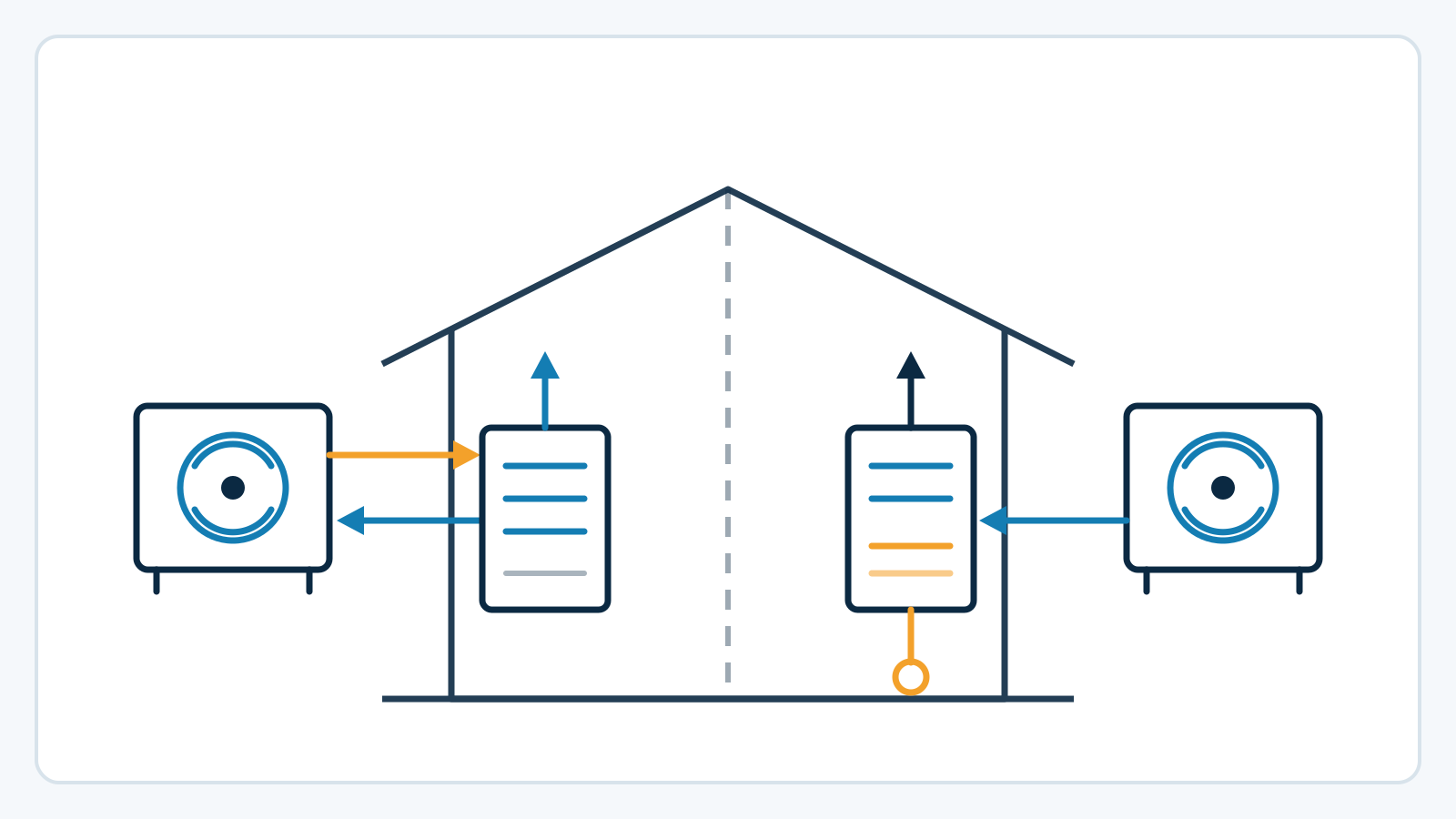
Illustration comparing an outdoor heat pump with an indoor gas furnace
Compare the full heating and cooling setup, not one piece of equipment.

01

The systems make heat differently

A heat pump moves heat between indoors and outdoors and also cools the property in summer. A gas furnace burns fuel to make heat and normally works with separate cooling equipment. That basic difference changes the equipment, utility and backup questions.

02

Start with what the property already has

Existing ducts, electrical capacity, gas service, venting, cooling equipment and mechanical space can make one path simpler or make a combined system worth comparing. A replacement quote should show which existing parts stay and which have to change.

03

Cold-weather capacity has to match the load

Modern cold-climate heat pumps are designed to keep operating at low outdoor temperatures, but the equipment still has to be selected and sized for the property. Ask for the unit's heating capacity at colder temperatures and what provides backup heat if the design calls for it.

04

A furnace remains a separate heat source

A gas furnace can remain the primary heat source or work with a heat pump in a dual-fuel setup. The useful question is not whether one technology is newer. It is how the proposed system covers the building's heating load and what equipment runs in each condition.

05

Operating cost needs your numbers

A savings claim needs local electricity and gas rates, equipment efficiency, building load, thermostat use and backup-heat operation. Without those inputs, a universal cost winner is guesswork. Compare the written assumptions behind any estimate.

06

Put the choice on one page

Compare equipment being removed and retained, heating and cooling capacity, electrical and gas work, ducts, controls, backup heat, startup checks and total scope. The right system is the one that fits the property and has a clear plan for both winter and summer.

Side-by-side

Put the choices on one page.

Heat pump and gas furnace comparison
QuestionHeat pumpGas furnace
Main jobMoves heat and provides coolingBurns gas to provide heat
CoolingBuilt into the systemUsually paired with separate cooling equipment
Existing infrastructureElectrical capacity, ducts or indoor-unit locationsGas service, venting, electrical controls and ducts
Cold-weather planLow-temperature capacity must match the propertyHeating output and venting must match the property
Backup optionElectric backup or a dual-fuel design when neededCan act as backup in a dual-fuel design
Cost inputsElectric rate, efficiency, load and backup operationGas rate, furnace efficiency, load and cooling equipment

Common questions

What customers ask.

Can a heat pump heat a DC home in winter?

Modern heat pumps can provide heat in cold weather, but the equipment and backup plan must be selected for the building's heating load and the unit's low-temperature capacity.

Can a heat pump work with a gas furnace?

Yes. A dual-fuel setup can use a heat pump in some conditions and a gas furnace in others. The controls and changeover plan need to be part of the design.

Next step

Compare the systems for your property.

Request a Quote